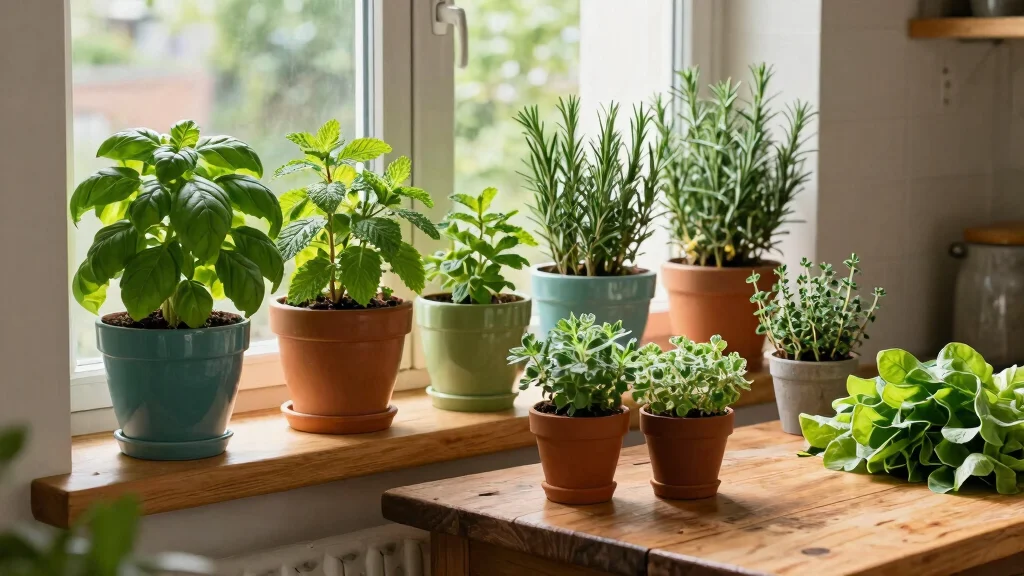
Creating your own kitchen herb garden can transform your cooking experience. Imagine stepping into your kitchen and picking fresh basil, thyme, or rosemary right from your own plants. I made this post because I know how much flavor these herbs can add to meals. They aren’t just garnishes; they are the heart of countless delicious dishes. Whether you’re an aspiring chef or someone who loves good food, cultivating your own herbs can elevate your culinary game.
This post is for anyone who wants to bring fresh flavors into their home without needing a large outdoor space. If you’ve ever felt the frustration of not having access to fresh herbs or want to grow your own in a small apartment, you’re in the right place. I gathered 15 practical herb garden ideas that are compact, stylish, and functional. These ideas will fit into your lifestyle and make your kitchen not just a place for cooking but also a vibrant space full of life and flavor.
By diving into this guide, you’re going to discover creative and manageable ways to incorporate herbs into your living space. From vertical gardens to charming countertop displays, each idea is designed to inspire you. You’ll find practical tips on herb gardening that cater to both beginners and seasoned gardeners alike. Get ready to green up your kitchen!
Key Takeaways
– Adaptable Solutions: You’ll learn how to create a herb garden in various spaces, whether you have a small kitchen or just a windowsill.
– Diverse Options: The ideas range from vertical wall gardens to mason jar setups, providing stylish ways to grow herbs indoors.
– Easy Implementation: Each gardening method includes practical steps you can take to get started right away, even with limited experience.
– Culinary Benefits: Discover how fresh herbs can enhance your meals, encouraging you to experiment with new flavors and recipes.
– Sustainable Practices: Many tips focus on using recycled materials for gardening, making it both eco-friendly and budget-friendly.
Recommended Products

3 Tiered Hanging Herb Garden Set: the package includes 1 piece of 3 tiered hanging vertical planter shelf, suitable for decorating kitchens, living rooms, offices, balconies and other places, and 12 pieces of plants pots, ideal for growing herbs, cacti, and so on; Please note that we provide you with non marking nails and hooks for easy hanging

Create Your Own Indoor Hanging Garden Turn your window into a beautiful vertical garden with this 4-pot hanging planter. Perfect for growing herbs, flowers, and small plants while saving indoor space.
1. Vertical Wall Garden
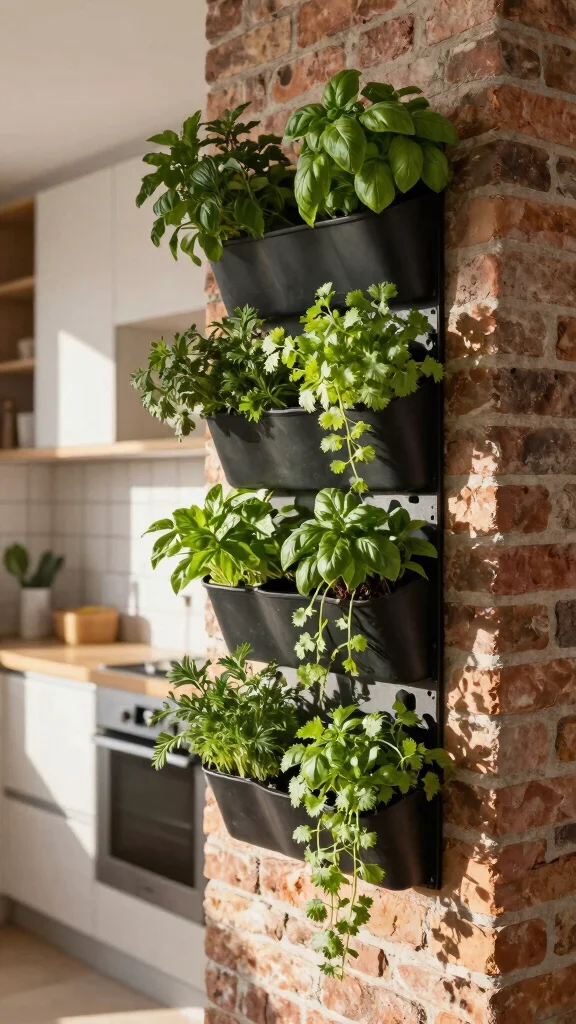
Are you looking to spice up that bare kitchen wall? A vertical herb garden can transform it into a lush, vibrant space. Not only does this design maximize limited areas, but it also brings a touch of nature indoors, enhancing your culinary experience.
Using tiered planters or wall-mounted pockets, you can grow herbs like chives, oregano, and parsley that thrive vertically. This approach is both appealing and practical.
Ingredients:
– Tiered planters or wall-mounted pockets
– Potting soil
– Herb seeds or seedlings (chives, oregano, parsley)
– Organic fertilizer
– Watering can
Instructions:
1. Find a sunny wall in your kitchen.
2. Install your wall planters securely.
3. Fill with potting soil and plant your herbs.
4. Water gently, ensuring proper drainage.
5. Fertilize every few weeks to encourage growth.
FAQs:
– Can I use any wall? Yes, as long as it gets sunlight.
– Can I plant larger herbs? It’s best to stick with compact varieties for vertical gardens.
Recommended Products

High planting efficiency: Start an indoor herb garden with the Ahopegarden hydroponic growing system, which includes a water reservoir, an overhead LED grow light, and a circulation system that keeps the water fresh. The hydroponic setup and lighting systems allow plants to grow up to faster and healthier in controlled conditions. Simply add plant seeds, water, and nutrients to the reservoir and watch the plants grow

Indoor Herb Garden Planter with Tray - Add greenery to your home with this vintage metal windowsill planter. Herb planters for indoor plants with a farmhouse touch. Place the indoor herb planter on your kitchen counter or display the small herb planter as an apartment window planter.
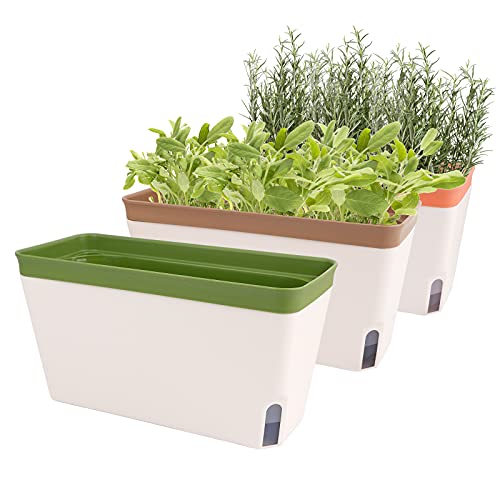
SELF-WATERING PRINCIPLE: Through two absorbent cotton ropes, the self watering pots provide water to the soil and keep the soil moist through the principle of osmosis, without having to water the plants regularly. Even if you leave home for a few days, it can help you take care of the plants and avoid plants die from water shortage.
How To Choose The Right Kitchen Herb Garden
Creating a thriving kitchen herb garden starts with making the right choices. Here are some key factors to consider when selecting your ideal setup:
1. Space Availability
Consider how much space you have to dedicate to your kitchen herb garden. If you have limited room, opt for vertical or countertop gardens that maximize your area. For larger spaces, look into tiered plant stands or wall-mounted systems. Measure your available space beforehand to ensure your chosen setup fits perfectly.
2. Light Requirements
Different herbs have varying light needs. Some herbs thrive in full sunlight for six or more hours a day, while others prefer partial shade. Assess the light conditions in your kitchen or garden area. If natural light is limited, consider investing in grow lights to ensure your herbs receive adequate illumination.
3. Container Material
Choosing the right container is essential for the health of your herbs. Options include plastic, clay, or ceramic pots. Clay pots are breathable and provide good drainage but can dry out quickly. Plastic containers are lighter and retain moisture longer. Make sure your containers have drainage holes to prevent root rot and promote healthy growth.
4. Herb Variety
Think about which culinary herbs you use most often in your cooking. Popular choices include basil, parsley, thyme, and rosemary. Choose a mix of herbs that complement each other and can thrive together. Research their specific growing conditions to ensure they flourish in your garden.
5. Budget
Establishing a kitchen herb garden can range in cost. Determine a budget that fits your needs, including pots, soil, seeds, or plants. Indoor herb garden kits can be a convenient option, often providing everything you need in one package. Alternatively, you can save money by starting from seeds.
6. Maintenance Level
Herbs can vary in how much care they require. Some herbs, like mint, are relatively low-maintenance, while others may need more attention. If you’re busy, choose easier herbs that require less frequent watering and pruning. Read up on the specific care needs of each herb to make your gardening experience enjoyable.
Pro Tip: Start small! If you’re new to herb gardening, begin with just a few herbs. As you gain confidence and experience, you can expand your garden with more varieties and creative designs. This approach helps you learn what works best in your space while keeping things manageable.
By considering these factors, you can create a kitchen herb garden that meets your culinary needs and fits seamlessly into your living space. Happy gardening!
Recommended Products

🌿【Complete 9-Herb Starter Kit】- Everything you need to grow a thriving indoor garden! Includes premium seeds (Basil, Rosemary, Thyme, etc.), 9 biodegradable pots, nutrient-rich soil discs, pruning shears, and markers—ready to plant instantly.

Complete Herb Growing Kit – Includes 10 popular non-GMO herbs (Basil, Parsley, Cilantro, Chives, Thyme, Oregano, Dill, Sage, Lavender, and Mint), reusable pots, soil discs, tools, and a moisture meter for easy care.

All-in-One Herb Starter Kit – Get everything you need to grow fresh herbs at home. This complete herb kit includes 4 pots, nutrient-rich soil discs, markers, 4 heirloom herb seed packets, and a full gardening tool set (spade, shovel, rake, shears, tweezers, clippers, wire & supports).
2. Countertop Herb Garden
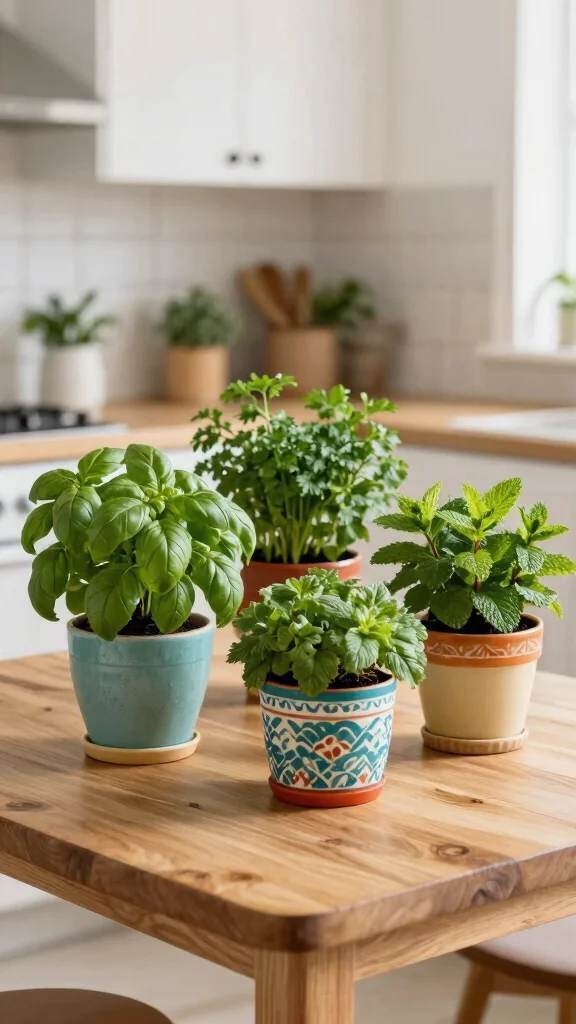
Do you want fresh herbs at your fingertips? A countertop herb garden is a delightful way to bring nature into your kitchen. It creates a splash of color and provides easy access to aromatic ingredients that can elevate your dishes.
Choose attractive containers and mix herbs like basil, thyme, and mint for a vibrant display that’s as functional as it is beautiful.
Ingredients:
– Attractive pots (ceramic or terracotta)
– Potting mix
– Herb seeds or seedlings (basil, thyme, mint)
– Watering can
Instructions:
1. Select a sunny spot on your countertop.
2. Fill pots with potting mix and plant your herbs.
3. Arrange herbs with taller varieties in the back.
4. Water regularly, keeping the soil moist but not soggy.
5. Trim herbs often to promote new growth.
FAQs:
– Can I use any pots? Yes, but ensure they have drainage holes.
– Can I grow herbs indoors? Absolutely, just ensure they get enough sunlight.
Recommended Products


Durable Material Comes with 12 Hooks and 6 Screws: Self-watering wall planter made of high-quality durable resin material, safe and non-toxic. Lazy flower pot size (inner diameter*outer diameter*height): 5.7"x7.3"x6.1"; Comes with 6 * steel S hooks + 6 * non-destructive self-sticky hooks + 6 * screws + 15 feet self-watering wick for DIY self-watering system.
3. Hanging Herb Garden
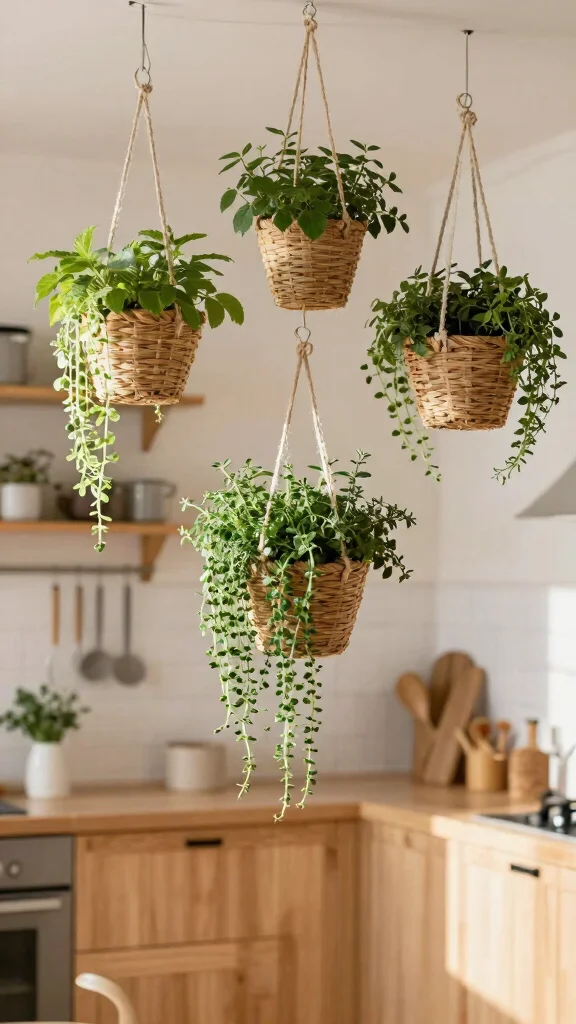
Looking to save counter space while adding a touch of elegance? A hanging herb garden might be just what you need. This creative setup allows you to display your herbs in a unique way, bringing charm to any kitchen.
Herbs like trailing thyme and oregano thrive in hanging baskets, making them perfect for small spaces without sacrificing style.
Ingredients:
– Hanging baskets or macramé hangers
– Potting soil
– Herb seeds or seedlings (trailing thyme, oregano)
– Watering can
Instructions:
1. Select breathable hanging baskets that allow for drainage.
2. Fill with potting soil and plant your herbs.
3. Hang where they’ll receive ample sunlight.
4. Rotate baskets occasionally for even growth.
5. Water regularly to keep the herbs healthy.
FAQs:
– Can I use any type of herb? Yes, but choose trailing varieties for best results.
– Can I hang them indoors? Yes, as long as they get enough light.
Recommended Products

【Indoor Herb Garden】Experience the joy of gardening with our specialized indoor herb planter. This set includes a planter with a tray but does not come with plants and seeds. Designed specifically for herb cultivation, these planters can be used both indoors and outdoors. Crafted from durable metal with a sleek, glossy white finish, they blend functionality with a farmhouse style to enhance your living space.

Sturdy and Durable-The vertical garden planter is made with a sturdy all-metal frame to ensure durability and longevity. The stable triangular design provides reliable support for your herbs, flowers, vegetables and more
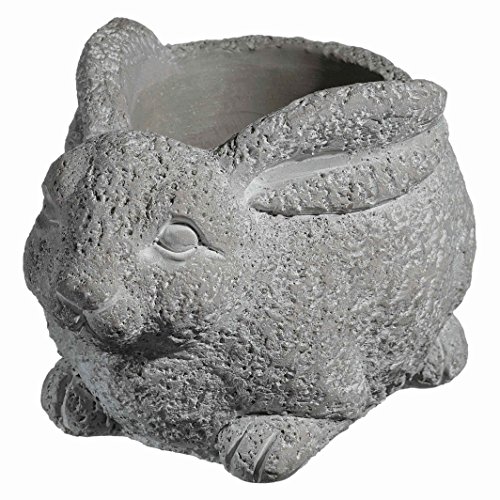
CONTEMPORARY DESIGN: This animal plant pot adds an adorable touch to any space. You can use this cute planter as a display piece indoors on your deck, desk, or table or outdoors on your porch or patio.
4. Mason Jar Herb Garden
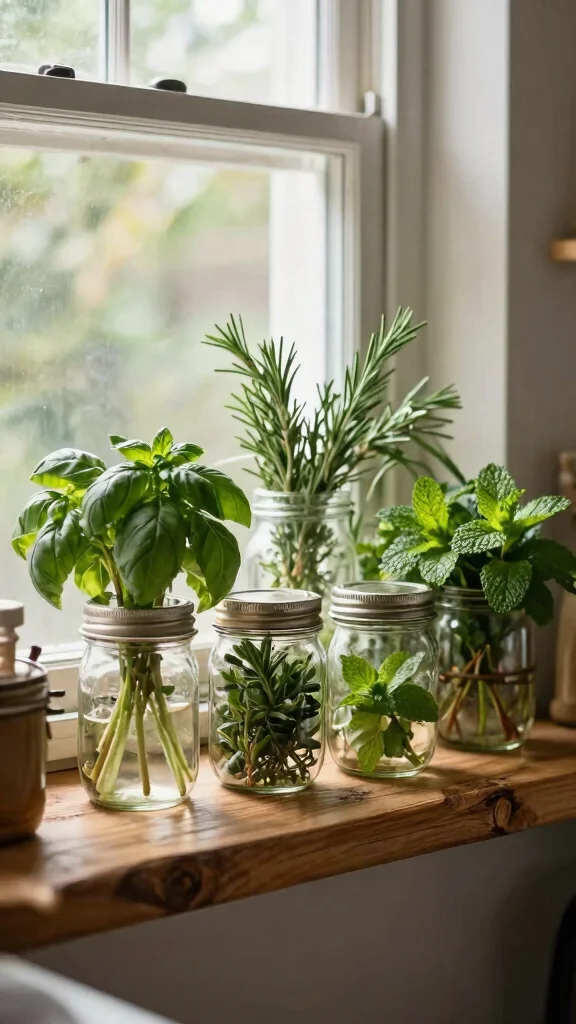
Do you love a rustic look? Using mason jars for your herb garden is a trendy and charming way to grow fresh herbs. These jars can line your windowsill or hang for a creative twist, bringing character to your kitchen.
Different sizes of jars not only look great but also keep your herbs fresh and easily accessible.
Ingredients:
– Mason jars (various sizes)
– Potting soil
– Herb seeds or seedlings (basil, rosemary, cilantro)
– Watering can
Instructions:
1. Gather mason jars and clean them thoroughly.
2. Add potting soil, ensuring good drainage.
3. Plant your herbs in each jar.
4. Label jars with chalkboard paint or tags.
5. Place in a sunny location, watering as needed.
FAQs:
– Can I use any jar? Yes, as long as they have enough space for roots.
– Can I grow herbs without sunlight? They need light to thrive, so consider a sunny spot.
Recommended Products

Grow Your Own Herb Garden: Enjoy the fresh taste of homegrown Cilantro, Large Leaf Italian Parsley, English Thyme, and Genovese Basil, straight from your kitchen herb garden to your plate! Whether you’ve just planted your first mint plant or you’re already an indoor gardening expert, our herb garden kit comes with freshly harvested, high quality seeds for a thriving inside herb garden.
5. Kitchen Ladder Garden
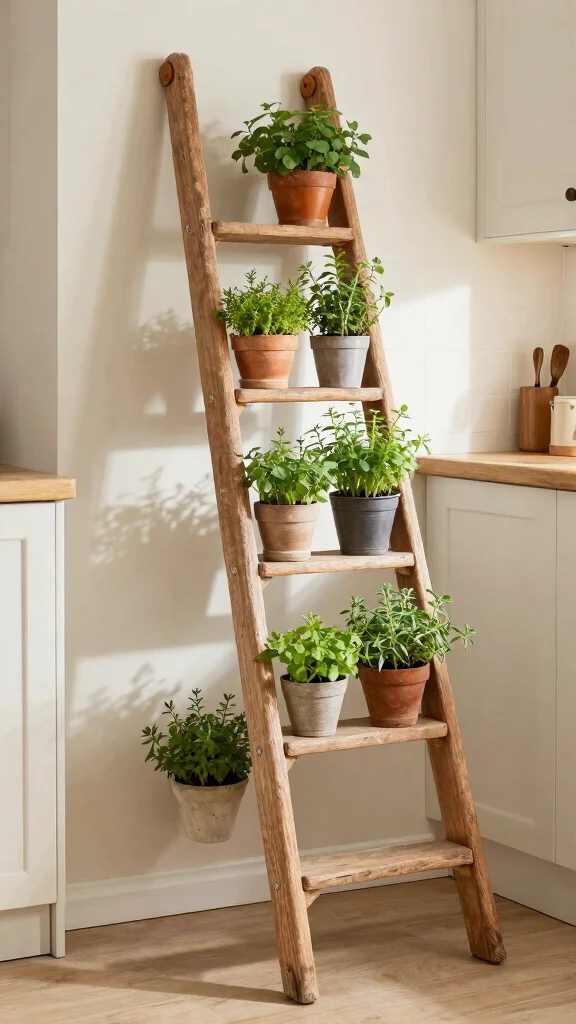
Do you have an old ladder lying around? Repurpose it into a stunning herb stand! Leaning a ladder against a wall creates a unique vertical space while adding vintage charm to your kitchen.
Using pots or crates on each step allows you to showcase a variety of herbs like mint, dill, and sage, maximizing your space creatively.
Ingredients:
– Old wooden ladder
– Pots or crates
– Potting soil
– Herb seeds or seedlings (mint, dill, sage)
– Watering can
Instructions:
1. Ensure the ladder is sturdy enough for pots.
2. Arrange pots or crates on each step for balance.
3. Fill with potting soil and plant your herbs.
4. Place the ladder near a window for sunlight.
5. Water regularly to keep herbs healthy.
FAQs:
– Can I use any ladder? Yes, as long as it’s stable.
– Can I paint the ladder? Absolutely! Customize it to fit your style.
Recommended Products
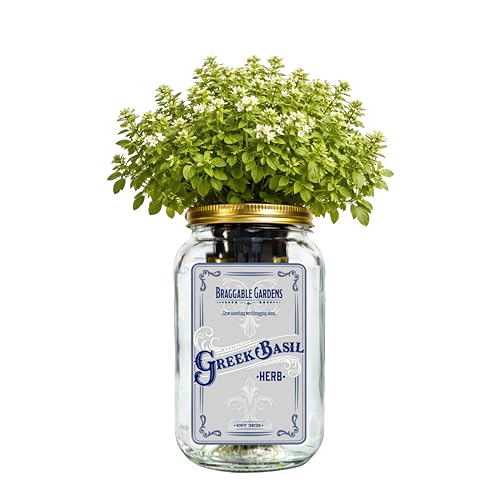
🌿 Grow Fresh Greek Basil Indoors: Greek basil is a fragrant culinary herb known for its small leaves and intense basil flavor, perfect for pasta, pizza, salads, and Mediterranean dishes.
6. Tiered Plant Stand
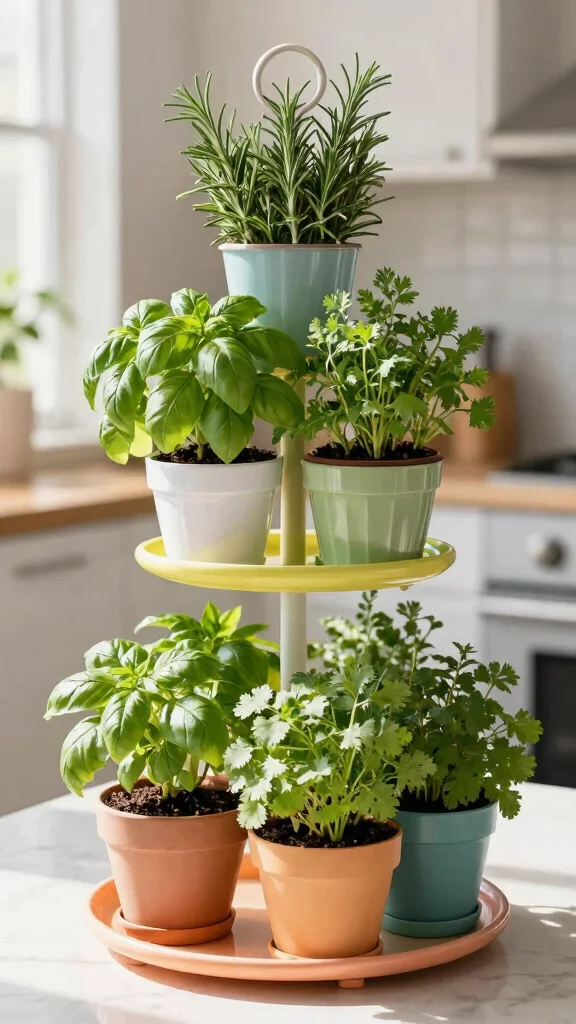
Need a way to make the most of your vertical space? A tiered plant stand is the perfect solution! These multi-level stands keep your herbs organized and easily accessible, ideal for smaller kitchens.
With the right selection of herbs, such as basil, parsley, and cilantro, you can create a thriving garden that not only looks good but also provides fresh ingredients for your meals.
Ingredients:
– Tiered plant stand
– Potting soil
– Various herb seeds or seedlings (basil, parsley, cilantro)
– Watering can
Instructions:
1. Choose a tiered stand that fits your kitchen style.
2. Fill pots with potting soil and plant your herbs.
3. Arrange pots for a balanced look.
4. Position the stand near a window for sunlight.
5. Rotate plants occasionally for even exposure.
FAQs:
– Can I use any herbs? Yes, but mix varieties for flavor and color.
– Can I move the stand? Sure! Just be careful with the pots.
Fun fact: a three-tier plant stand can triple your usable kitchen herb garden space in a small kitchen. Stack basil, parsley, and cilantro on different levels, and you’ll have fresh ingredients for every meal right at your fingertips.
7. Window Box Herb Garden
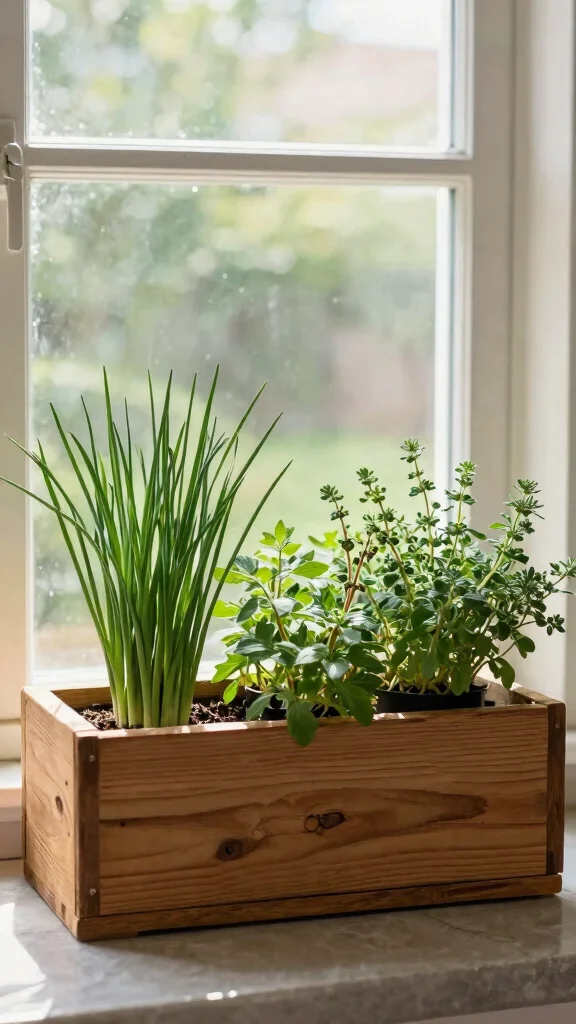
Want to brighten up your window space? A window box herb garden is a charming way to grow herbs while maximizing sunlight exposure. These boxes can be placed inside or outside, creating a delightful view while providing fresh flavors for your meals.
Choose sun-loving herbs like chives, thyme, and tarragon for a fragrant and flavorful mix that enhances your kitchen ambiance.
Ingredients:
– Window box planter
– Potting soil
– Herb seeds or seedlings (chives, thyme, tarragon)
– Watering can
Instructions:
1. Install a window box that fits your window dimensions.
2. Fill with potting soil and plant your herbs.
3. Ensure the box has drainage holes.
4. Water regularly to keep herbs healthy.
5. Fertilize with organic options to boost growth.
FAQs:
– Can I plant flowers too? Yes, herbs and flowers can thrive together.
– How much sunlight do they need? Most herbs prefer at least 6 hours of sunlight daily.
8. Hydroponic Herb Garden
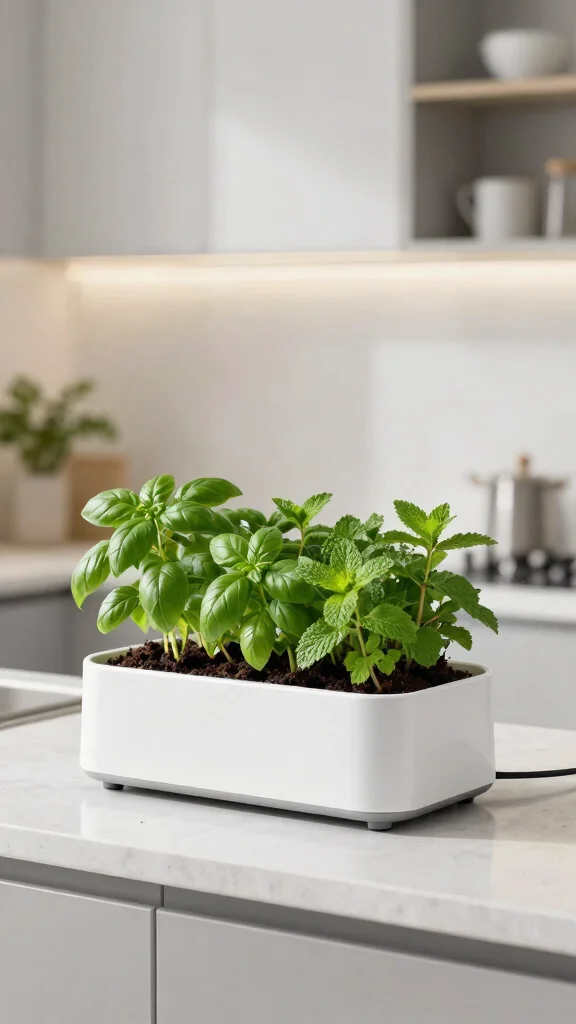
Are you ready to embrace modern gardening? A hydroponic herb garden is an innovative way to grow herbs without soil. This method uses nutrient-rich water, making it efficient and space-saving for any kitchen.
Herbs like basil and mint thrive in hydroponic systems, producing lush leaves without the hassle of traditional gardening.
Ingredients:
– Hydroponic kit (available online)
– Nutrient solution
– Herb seedlings (basil, mint)
– Water
Instructions:
1. Choose a hydroponic kit suitable for beginners.
2. Prepare the nutrient solution according to instructions.
3. Plant seedlings in the system.
4. Monitor water levels regularly for best results.
5. Enjoy fresh herbs without soil mess!
FAQs:
– Can I use regular seeds? Seedlings work best for quicker growth.
– Do I need special lights? If sunlight is limited, consider grow lights.
Recommended Products

🌿 Grow Fresh Lemon Cilantro Indoors: Lemon cilantro is a fragrant herb with a bright citrus aroma and fresh cilantro flavor. Perfect for garnishes, tacos, salsa, and fresh kitchen herbs.

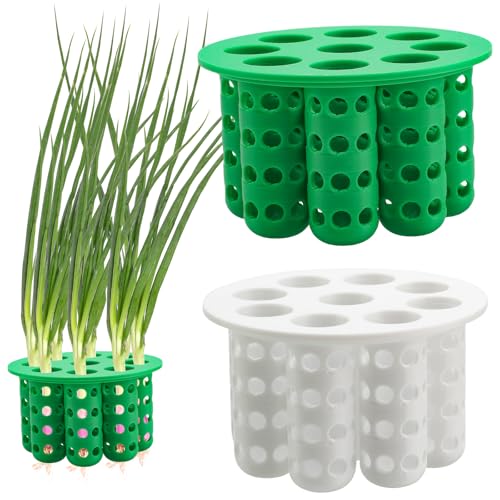
Hydroponic Growing System: 9-hole design allows you to grow multiple plants simultaneously, perfect for green onions, scallions, herbs, flowers, and seed starting in water or soil-based systems
9. Recycled Containers Herb Garden
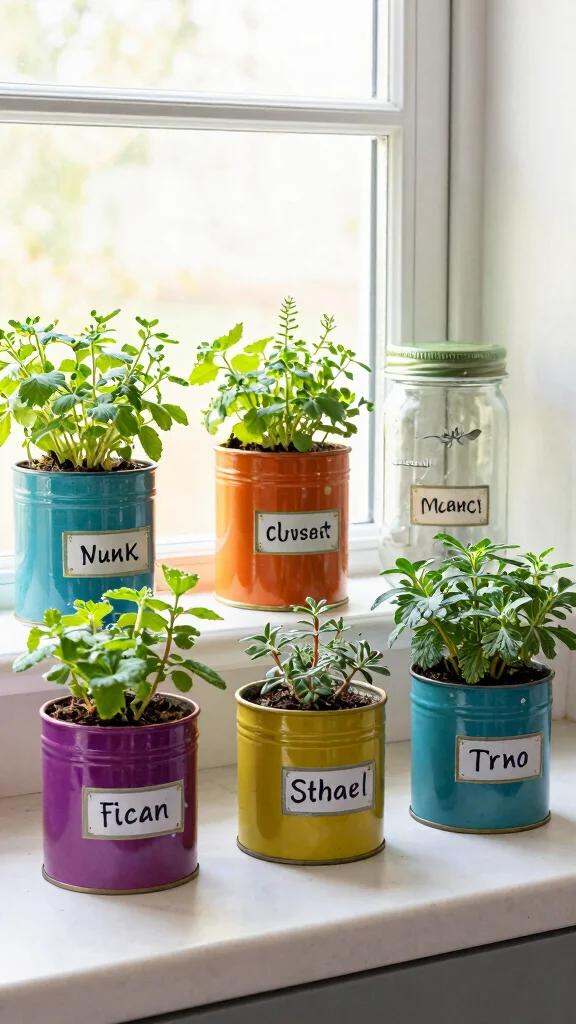
Looking to reduce waste while growing fresh herbs? Embrace sustainability by using recycled containers! Old tins, bottles, or jars can be transformed into charming herb pots, adding character to your kitchen.
Herbs like chives and edible flowers thrive in these unique containers, bringing both beauty and flavor to your meals.
Ingredients:
– Recycled containers (tins, bottles, jars)
– Potting mix
– Herb seeds or seedlings (chives, edible flowers)
– Watering can
Instructions:
1. Clean your containers thoroughly to remove any residue.
2. Add drainage holes to the bottom for water flow.
3. Fill each container with quality potting mix.
4. Plant your herbs, labeling for fun.
5. Water regularly to keep them thriving.
FAQs:
– Can I use any container? Yes, but ensure it’s safe for plants.
– How do I label them? Use paint or tags for a personal touch.
Fun fact: A single recycled jar can grow chives and edible flowers for 3–4 months, cutting plastic waste and saving you up to $20 a season. Pro tip: drill drainage holes and add potting mix, then place on a sunny ledge for a thriving kitchen herb garden.
10. Herb Spiral Garden
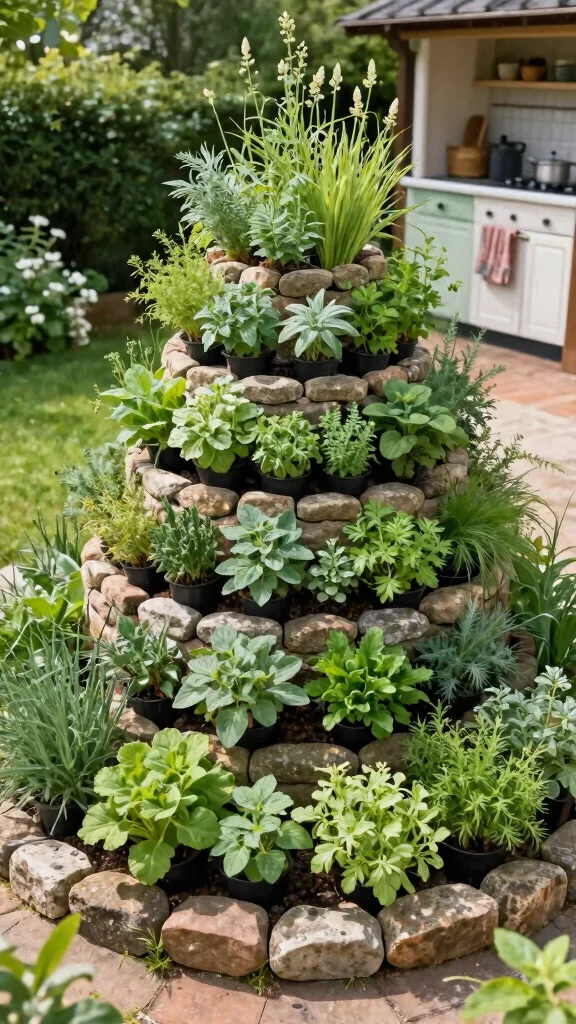
Feeling adventurous with your gardening? Create a spiral herb garden! This unique design allows you to incorporate various herbs in one spot while maximizing vertical space and creating microclimates.
Place drought-resistant herbs at the top and moisture-loving varieties at the bottom for a thriving, diverse garden right in your kitchen.
Ingredients:
– Stones or bricks for building
– Potting soil
– Herb seeds or seedlings (variety based on preference)
– Watering can
Instructions:
1. Choose a suitable location that receives sunlight.
2. Build the spiral structure with stones or bricks.
3. Fill with potting soil and plant your herbs.
4. Water carefully, adjusting based on each herb’s needs.
5. Enjoy your unique garden design!
FAQs:
– Can I plant flowers? Yes, consider adding edible flowers for color.
– How much space do I need? Just a small area to accommodate the spiral.
11. Indoor Herb Garden Kits
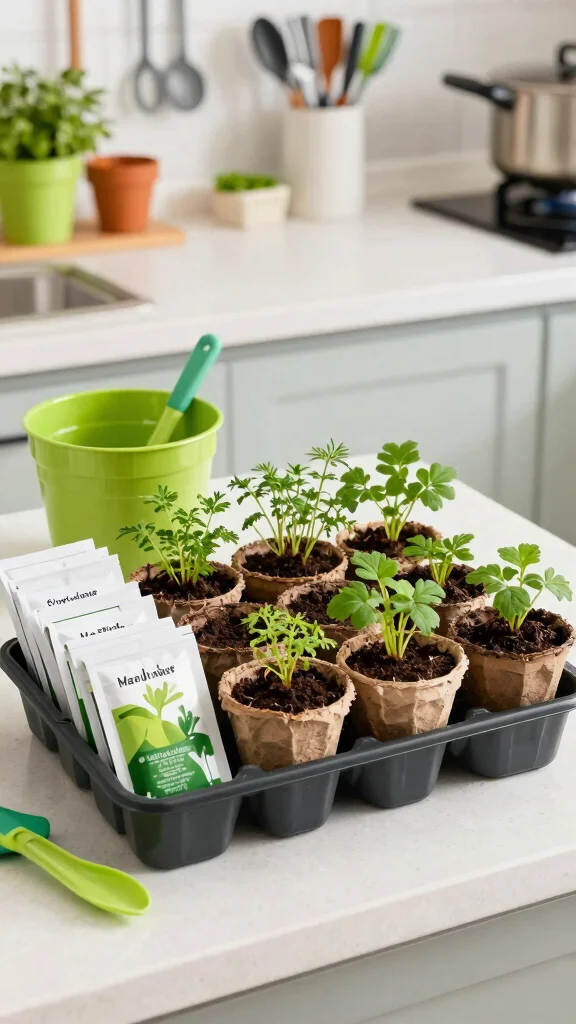
Are you a beginner eager to start your herb garden? An indoor herb garden kit is a fantastic option! These kits come with everything you need, making it simple to begin your gardening journey right at home.
Look for kits that include popular culinary herbs like basil, parsley, and cilantro, perfect for enhancing your cooking.
Ingredients:
– Indoor herb garden kit
– Potting soil (if not included)
– Watering can
Instructions:
1. Choose a kit with positive reviews and quality herbs.
2. Follow the included instructions for planting.
3. Monitor moisture levels to avoid overwatering.
4. Enjoy fresh herbs by harvesting regularly!
FAQs:
– Can I use any kit? Yes, but select one that suits your needs.
– How long until I can harvest? Most herbs grow quickly; check each kit’s guidelines.
12. Aromatic Herb Garden
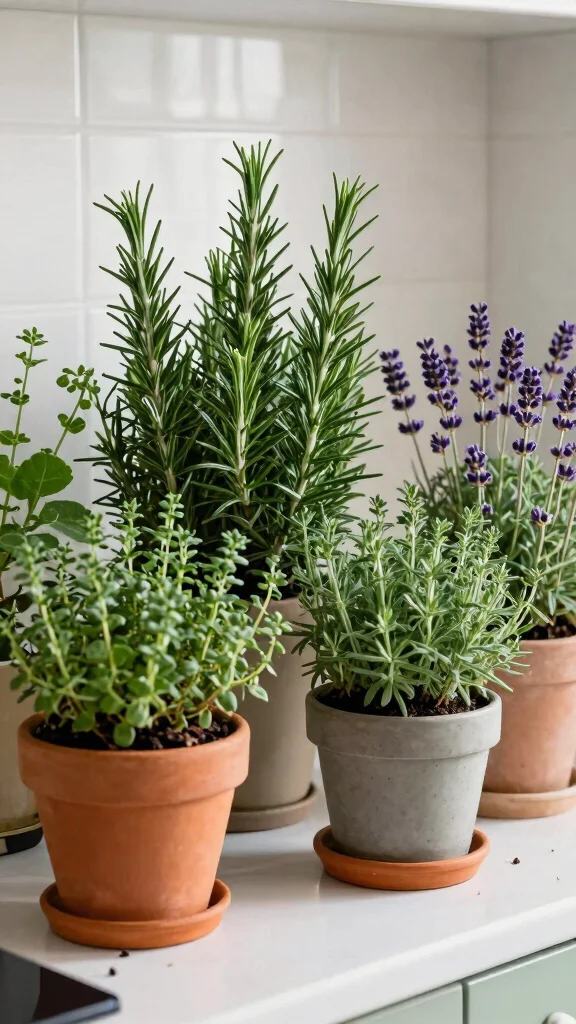
Do you want to elevate your cooking experience? An aromatic herb garden focuses on fragrant herbs that not only enhance your dishes but also create a delightful atmosphere in your kitchen. Herbs like rosemary, lavender, and thyme can transform your space into a sensory haven.
Position these herbs near your cooking area for easy access and enjoy their lovely scents while you cook.
Ingredients:
– Pots or containers
– Potting soil
– Herb seeds or seedlings (rosemary, lavender, thyme)
– Watering can
Instructions:
1. Choose fragrant herbs that you love.
2. Plant in pairs or groups for a lush look.
3. Ensure they receive enough light by placing them in a sunny spot.
4. Harvest regularly to encourage new growth.
FAQs:
– Can I mix herbs? Yes, but choose those that thrive together.
– How much light do they need? Most prefer bright sunlight for several hours daily.
13. Culinary Herb Garden Sign
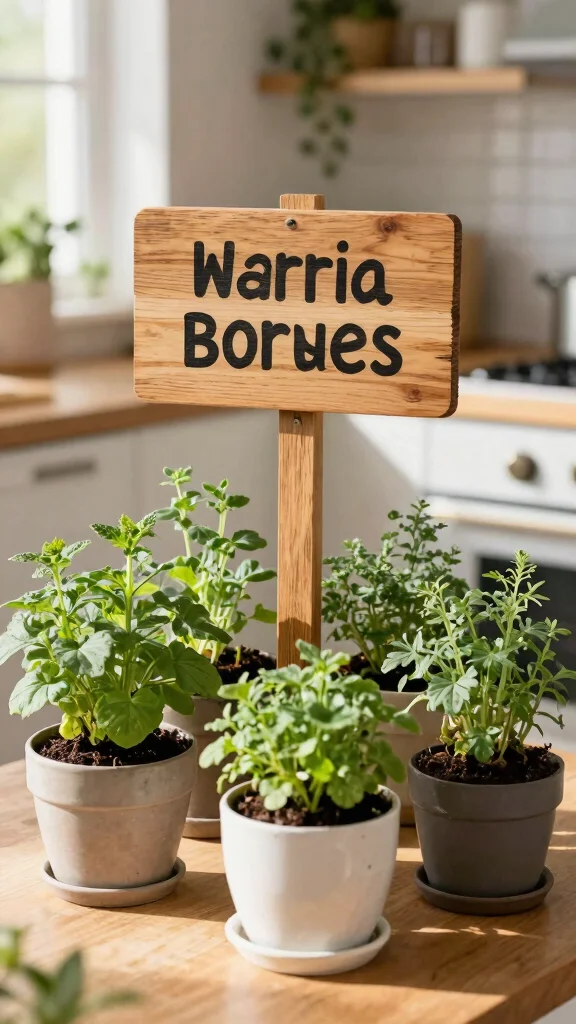
Want to add a personal touch to your herb garden? A customized sign not only serves as a fun decorative element but also helps identify different herbs easily. You can create a charming sign using wood, paint, or even chalkboard materials.
This small addition brings character to your herb garden while keeping everything organized and easy to navigate.
Ingredients:
– Wood or sturdy materials for the sign
– Paint or chalkboard paint
– Markers for labeling
Instructions:
1. Gather materials to create your sign.
2. Write the names of your herbs clearly.
3. Add decorative elements that match your kitchen decor.
4. Position the sign near your herb pots for easy identification.
FAQs:
– Can I use any material? Yes, as long as it’s durable.
– How can I make it weatherproof? Consider sealing it with an appropriate coating.
14. Herb Garden with Edible Flowers
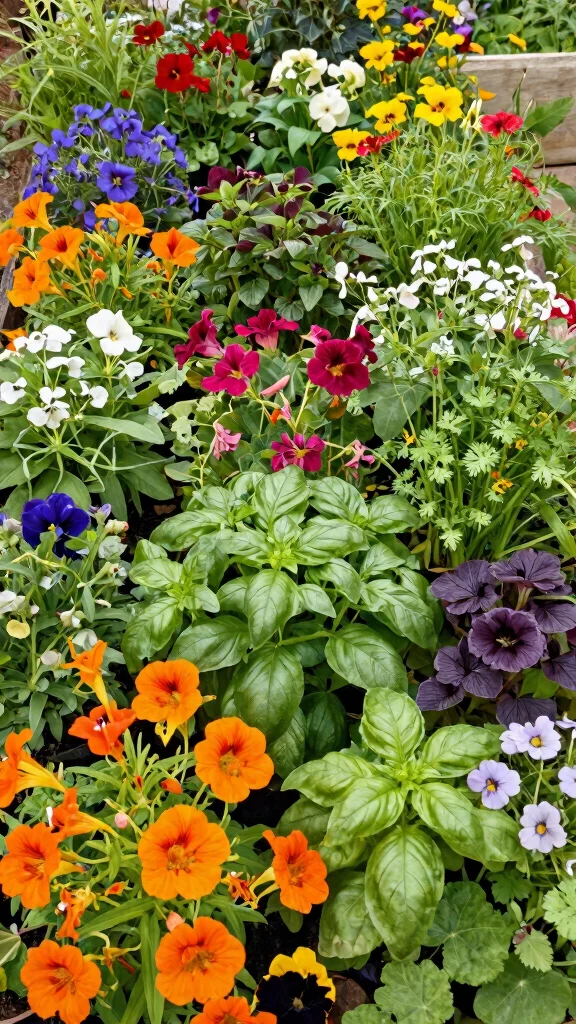
Why not combine beauty with flavor? An herb garden incorporating edible flowers can enhance your culinary creations while providing a vibrant aesthetic. Flowers like nasturtiums and calendula not only beautify your garden but also add unique flavors to your dishes.
This blend creates a stunning look while expanding your culinary repertoire.
Ingredients:
– Herb seeds or seedlings (compatible with flowers)
– Edible flower seeds (nasturtiums, calendula)
– Potting mix
– Watering can
Instructions:
1. Select herbs and flowers that thrive together.
2. Plant in clusters for stunning visual contrast.
3. Harvest carefully, picking flowers and leaves for fresh use.
4. Experiment with flavors by incorporating flowers into salads or drinks.
FAQs:
– Can I grow them together? Yes, just ensure they have similar needs.
– How do I use the flowers? They can be added fresh to dishes or used as garnishes.
15. Herb Garden for Pollinators
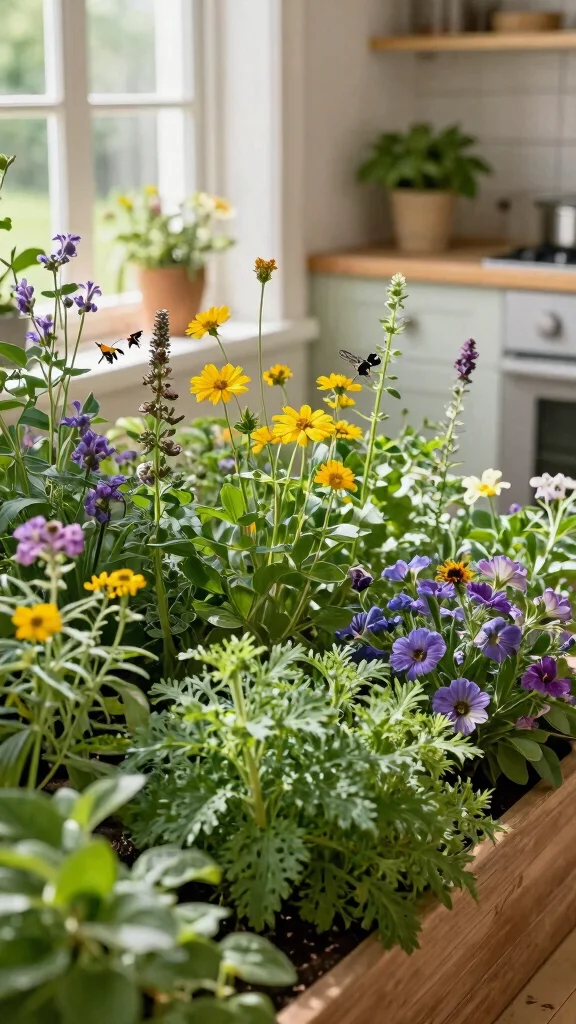
Looking to support local wildlife? Create an herb garden that attracts pollinators like bees and butterflies! Choose herbs such as borage and lavender that not only benefit you but also the ecosystem around you.
Position these plants near your kitchen window for easy viewing and to enjoy the lovely atmosphere they create.
Ingredients:
– Herb seeds known to attract pollinators (borage, lavender)
– Mixed flowers for variety
– Potting mix
– Watering can
Instructions:
1. Research and select herbs known to attract pollinators.
2. Mix in flowers for added diversity in your garden.
3. Provide habitat by including native plants.
4. Enjoy watching the pollinators thrive around your kitchen space.
FAQs:
– Can I grow them in pots? Yes, pots work well for these plants.
– How do I maintain them? Regular watering and occasional pruning will keep them healthy.
Fun fact: A kitchen herb garden with 3–4 plants can attract more pollinators, boosting bee visits by up to 30% in a season. Choose lavender and borage near your window to support local wildlife while you cook.
Conclusion
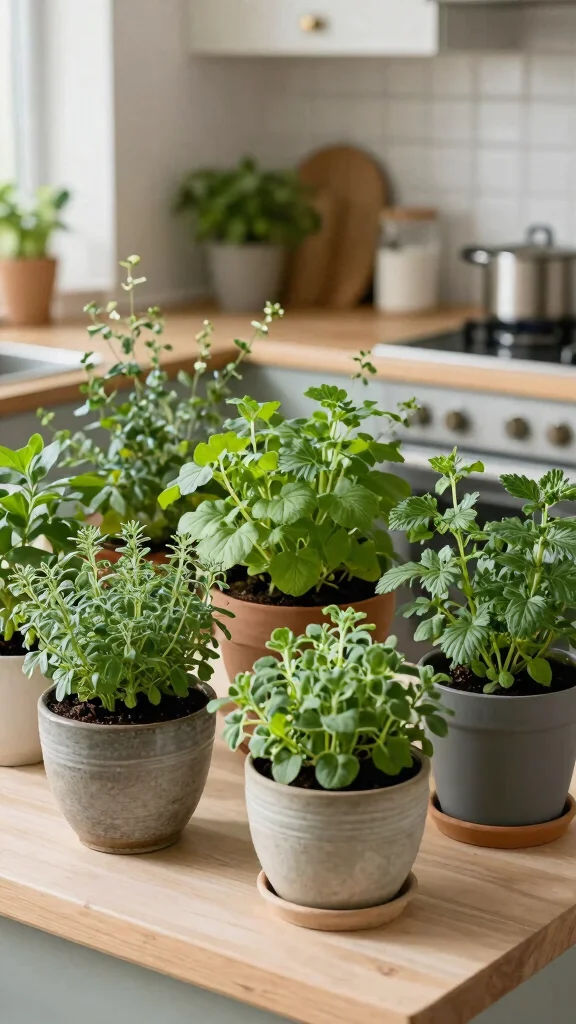
Creating a kitchen herb garden opens a world of flavors and aromas right at your fingertips, no matter how small your space might be. From vertical gardens to playful mason jar setups, there are countless ways to incorporate herbs into your home.
By experimenting with these 15 ideas, you’ll find the joy of cooking with fresh herbs while beautifying your urban kitchen. So why not start your own herb garden today and bring the flavors of the garden right into your home?
Note: We aim to provide accurate product links, but some may occasionally expire or become unavailable. If this happens, please search directly on Amazon for the product or a suitable alternative.
This post contains Amazon affiliate links, meaning we may earn a small commission if you purchase through our links, at no extra cost to you.
Frequently Asked Questions
What are the best herbs to grow in a kitchen herb garden for small urban spaces?
Here are great choices for a small-space kitchen herb garden: basil, parsley, chives, cilantro, thyme, oregano, mint (in a separate pot), and rosemary in a sunny spot. In a tight space, prioritize culinary herbs that stay compact and productive. Use containers with drainage and a light, well-draining potting mix. Water when the top inch of soil dries and give each herb 4–6 hours of bright light daily. Harvest regularly to encourage growth and keep your kitchen herb garden thriving for your cooking.
How can I start an indoor herb garden in containers for my apartment?
Begin with a bright south- or east-facing window. Choose 4–6 inch pots or a compact vertical rack to maximize space in apartments. Pick culinary herbs like basil, oregano, thyme, cilantro, and mint. Use a high-quality potting mix designed for herbs and ensure drainage; consider self-watering containers for busy days. Place your indoor herb garden near light or supplement with a small grow light. Regular pruning keeps plants bushy and provides a steady supply for your kitchen herb garden.
What are essential herb gardening tips for a thriving kitchen herb garden in a small space?
Keep a simple, repeatable routine: make sure your herbs get enough light, water, and airflow. Aim for 4–6 hours of sun daily or supplement with grow lights. Water when the top inch of soil dries and use a light, well-draining potting mix. Fertilize monthly with a diluted organic fertilizer and prune regularly to keep plants compact. Catch pests early with a quick wipe-down and natural sprays. Use these herb gardening tips to keep your kitchen herb garden productive year-round.
How can I design a compact herb garden layout that looks great and stays productive?
Design in zones and verticals: brightest herbs up front, trailing varieties on a rail or shelf. Try wall-mounted planters, railing boxes, or a tiered stand to boost container gardening space. Group by light and water needs and label each pot for easy harvesting. For style, mix pot colors and add a small chalkboard tag for reminders, turning your setup into a practical herb garden design that looks great in a kitchen. Keep drainage and accessibility in mind so you can harvest with ease.
Can I grow culinary herbs indoors and still achieve restaurant-quality flavor in my dishes?
Absolutely. Start with high-impact varieties like Genovese basil, flat-leaf parsley, chives, and cilantro, harvested at peak scent. Provide bright light, good air circulation, and consistent moisture without waterlogging. Snip leaves with sharp scissors to avoid damage and prune regularly to encourage lush growth. Harvest just before cooking for the strongest flavor and keep a small rotation of sowings so you always have fresh kitchen herb garden herbs on hand for your culinary herbs.
Recommended Products

Convenient Self-Watering Design: Features a distinctive two-layer self-watering system; The inner container elevates the plants and includes water-absorbent strips at its base that ensure good drainage function; This ingenious design maintains soil moisture at an ideal level, preventing it from becoming overly saturated and safeguarding against root rot
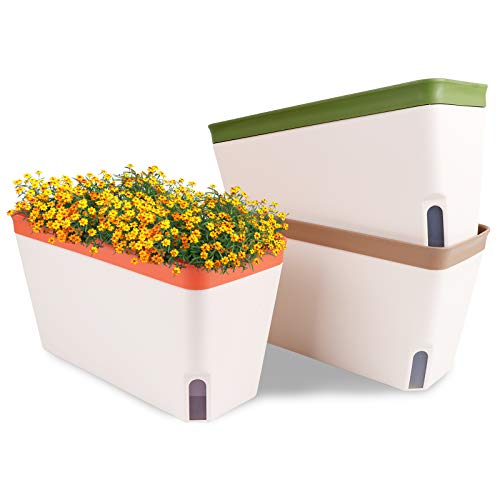
Effortless Watering for Busy Indoor Gardeners: Keep your indoor plants thriving with our innovative self-maintaining water reservoir. Monitor hydration easily and reduce watering errors, ensuring herbs and flowers stay healthy for weeks without daily attention. Perfect for busy home gardeners and small-space green thumbs.
Related Topics
kitchen herb garden
urban gardening
indoor herb garden
small space gardening
container gardening
culinary herbs
herb gardening tips
easy gardening
beginner friendly
herb garden design
sustainable gardening
seasonal herbs